
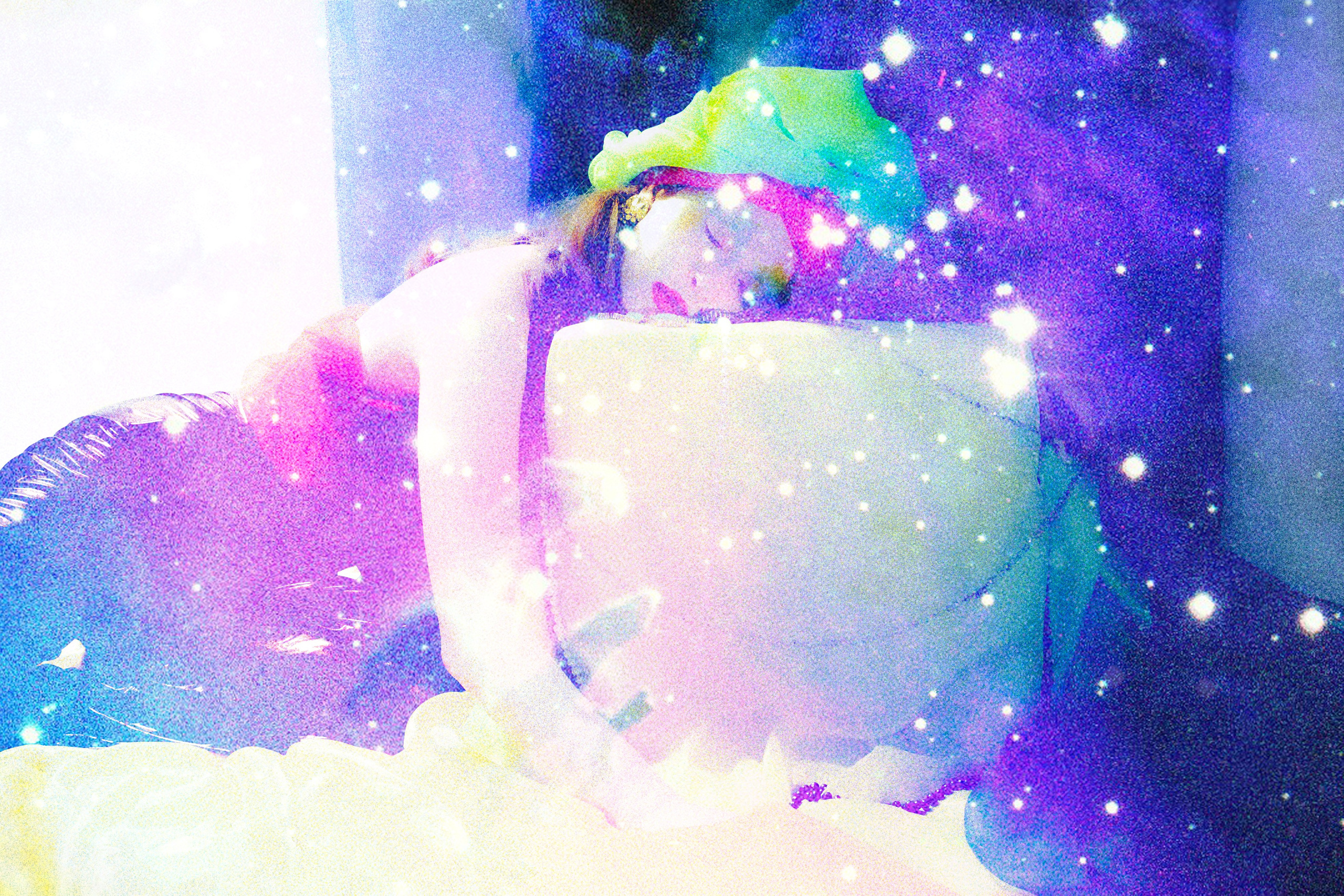
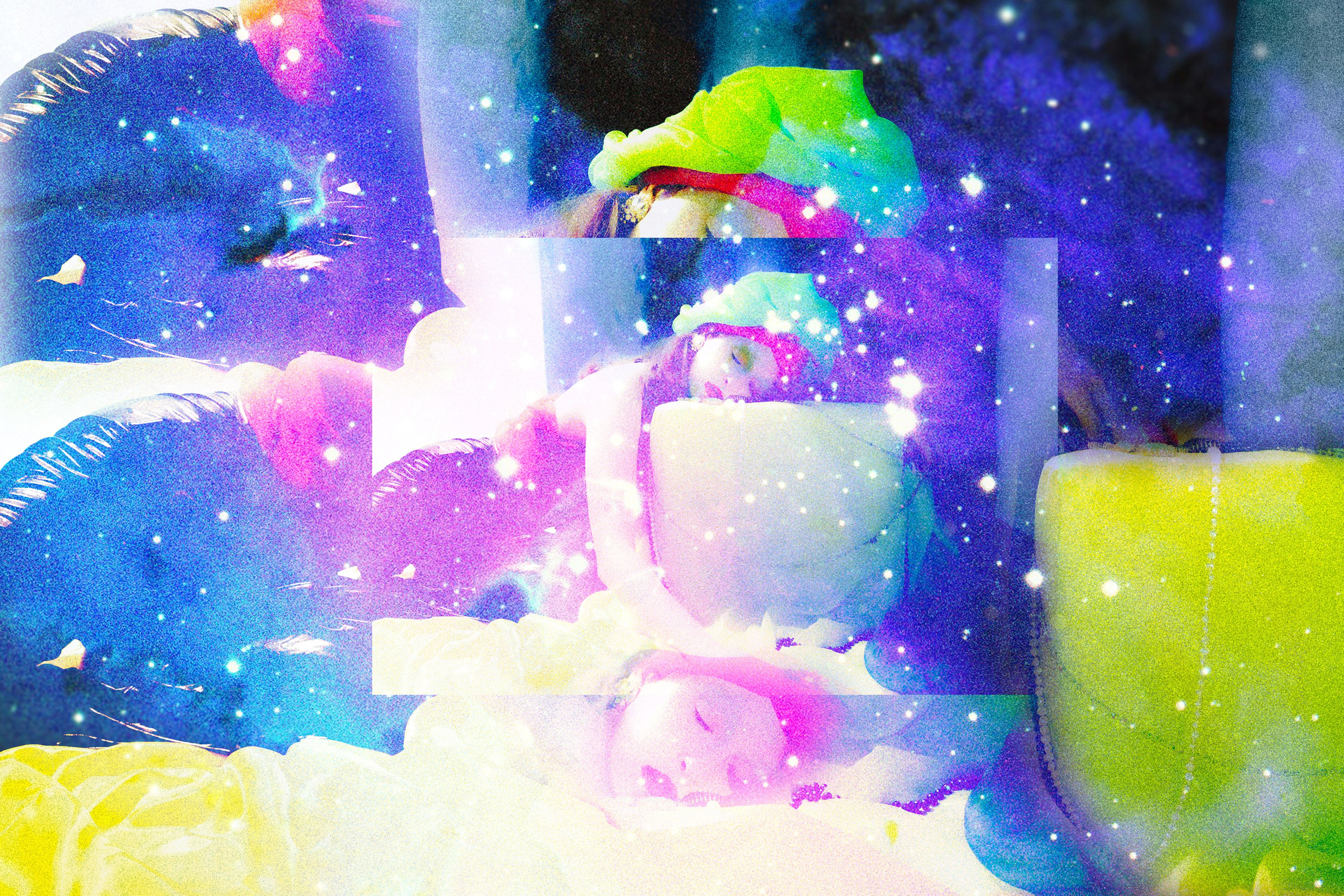
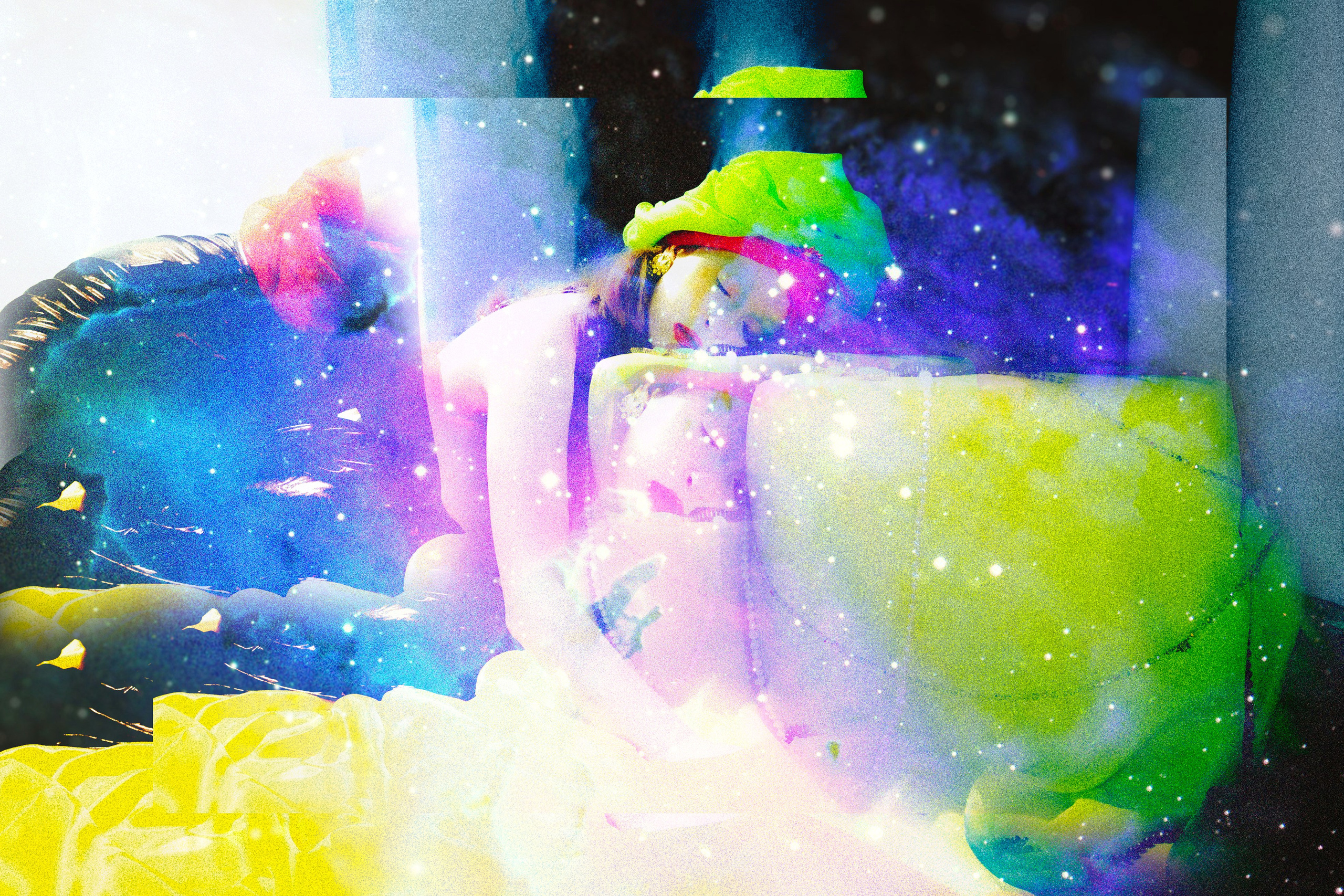
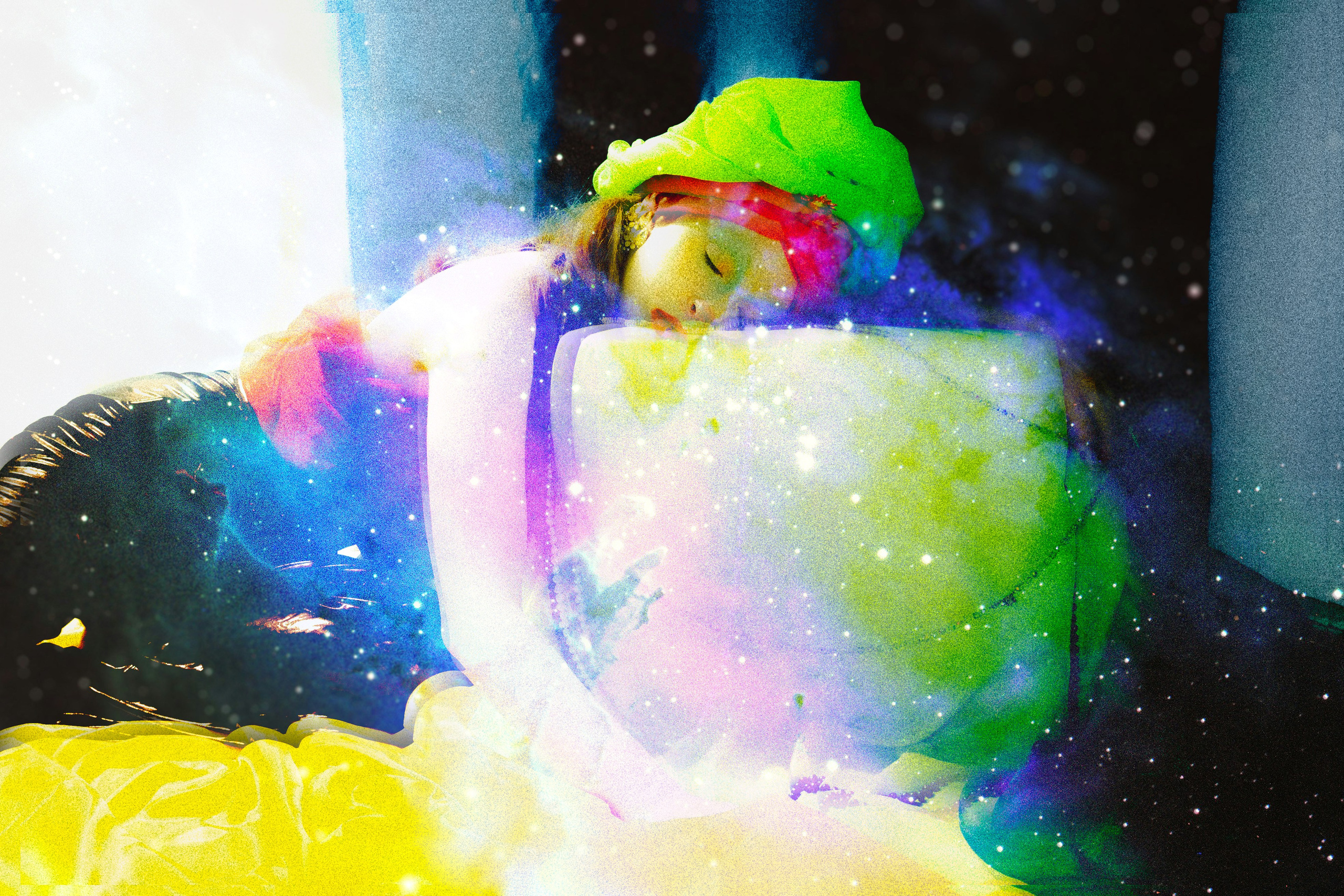
Artist Statement
I am interested in the present as seen through the lens of the past: in the way images outlive the people in them, lose their original context, and go on existing, taking on new meanings. A photograph can preserve a human likeness, but not the life behind it. Over time names are forgotten, stories disappear, and images become part of other people’s memories and interpretations.
In my practice I turn to archival photographs, old magazines, newspapers, and twentieth-century advertising. I am drawn not only to their aesthetics and their place in history but also to the lives of the people captured on these pages. Every image was once part of a particular life, yet today we can often only guess who that person was and what remained outside the frame.
Working with décollage and mixed media, I tear, join, and layer images to create new visual narratives. What absorbs me most in this process is the tension between preservation and destruction. I feel deeply attached to my source materials, and altering them does not always come easily. Yet it is precisely through this intervention that an image moves beyond its original story and gains the possibility of a new existence.
Fragmentation is my way of speaking about human memory. We never keep the past whole: memories shift, details fade, and we unwittingly fill in the missing pieces with our own imagination. The tears, overlaps, and partially hidden faces in my work reflect the impossibility of restoring the past to its original wholeness.
Images of women hold a special place in my practice. Drawing on the photography, cinema, fashion, and advertising of the past, I explore how society shapes ideas of femininity, beauty, and age. I am interested in the tension between a woman’s individuality and her public image, between the inevitability of physical aging and the seeming immortality of the image. The flowers that appear in some of my works become a symbol of this duality: beauty, transience, and fading.
For me, materials are inseparable from the content of a work. Embroidery joins fragments of different images and different times, like a thread binding scattered memories together. At the same time, the needle physically alters the surface, turning each connection into a kind of intrusion. Textiles, found objects, and layered compositions create a space where different historical and cultural contexts coexist.
I do not aim to offer the viewer a single correct reading. On the contrary, I want to preserve the ambiguity of the image, to let the viewer pause, look closely, and discover their own connections between its fragments. Like memory, a work does not hold one fixed meaning for every viewer.
By transforming images of the past, I try to understand the present: how we see ourselves and others, how public perception works, and how personal history gradually becomes collective memory.